

Saudi Arabia is abandoning its strategy of restraint and launching a counteroffensive, openly clashing with Iran and its network of allies in Yemen and Iraq.
The missile strike by Saudi Arabia – coordinated with the US – against Iraq creates a new, particularly dangerous situation in the Middle East. It demonstrates that Saudi Arabia is abandoning its strategy of restraint and launching a counteroffensive, openly clashing with Iran and its network of allies in Yemen and Iraq. The attack, as expected, provoked strong reactions from the Iraqi side. Influential Shiite cleric Muqtada al-Sadr called on the Revolutionary Guard not to use Iraqi territory for attacks, while former Prime Minister of Iraq Mohammed Shia al-Sudani spoke of a violation of Iraqi sovereignty.
Many analysts estimate that the region is facing new developments, while some point out that Mossad's Octopus plan has just been activated.
The Saudi Arabian attack
The attack took place while Saudi Arabia is at war with Yemen, Israel is in conflict with Lebanon, there is a possibility of Syrian involvement, and Iran is in a standoff with the United States in the Strait of Hormuz region. If the Iraqi resistance also becomes involved in the conflicts, then all fronts of the so-called Axis of Resistance will face all fronts of the regional coalition led by the US. The Saudi Arabian attack in eastern Iraq occurred at a particularly sensitive moment. As Kazemi Qomi stated, the attack in Iraq, shortly before the country's prime minister was scheduled to visit Saudi Arabia, is an indication that certain parties are seeking to escalate the regional war.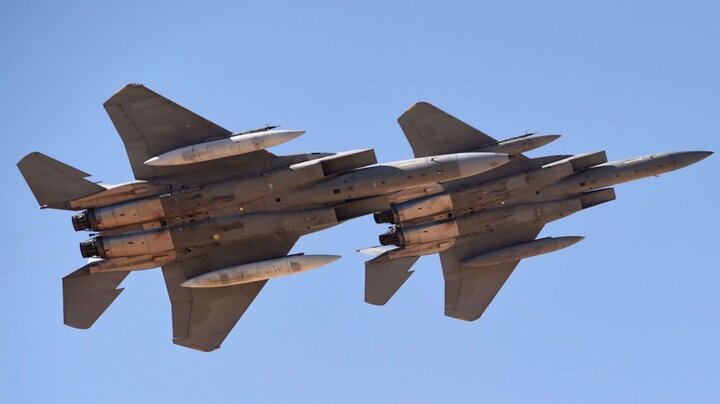
Who is behind these developments?
Experts argue that the only country that appears to benefit from this situation is Israel. Based on the Octopus theory, which is supported by Israel's right wing and its security services, Iran is considered the "head" of a network known as the Axis of Resistance. Extending from this head are various arms, the most significant being the Iraqi resistance, Ansar Allah (Houthis) in Yemen, Hezbollah in Lebanon, and the government of Syria. Following political developments in Syria, three main fronts of this axis are already in conflict with different adversaries. Hezbollah is clashing with Israel, Ansar Allah (Houthis) are at war with Saudi Arabia, and efforts are underway to draw Saudi Arabia and the United States into a new conflict with Iraq.
They want Iraq involved as well
The Israeli approach maintains that to limit Iran's influence as the command center of the Axis of Resistance, all of its arms must be engaged or weakened—namely the Iraqi resistance, Hezbollah, and Ansar Allah. Among these, only Iraq has not yet been directly dragged into a broad conflict, and analysts emphasize that Tel Aviv is seeking to pull it into war.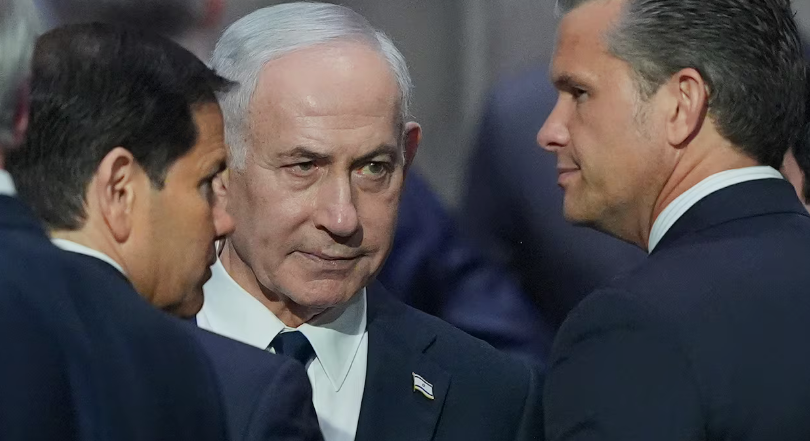
What is the role of the Iraqi government?
The government and military of Iraq are trying to prevent the outbreak of a direct conflict between the Iraqi resistance and the United States along with its allies. In addition to the pressure the military is exerting on the Hashd al-Shaabi forces, the government is conducting political consultations with both the United States and Iran, seeking to maintain its traditional policy of balancing between the two sides. The planned visit of Al-Zaidi to Saudi Arabia was part of this strategy. However, following last night's attack, the trip has been temporarily suspended, and it remains unknown when it will take place.
The Octopus plan
The Octopus plan is not an official operational plan of Mossad, but rather a strategic concept publicly articulated by former Israeli Prime Minister Naftali Bennett. This concept concerns the approach to confronting Iran. The core idea defines Iran as the "head of the octopus." Organizations such as Hezbollah, Hamas, Palestinian Islamic Jihad, and pro-Iranian militias in Syria, Iraq, and Yemen are considered the "tentacles." Instead of Israel fighting only the proxy organizations, the strategy proposes applying direct pressure on Iran, which is viewed as funding, arming, and directing them.
How is it implemented?
This strategy involves not only military strikes, but a combination of intelligence operations, cyberattacks, sabotage, diplomatic pressure, economic sanctions, and, where decided, direct operations against targets linked to the Iranian state. Mossad has not published an official document titled "Operation Octopus" or "Plan Octopus." However, many analysts link this strategy to operations attributed to Israel, such as the assassinations of scientists related to Iran's nuclear program, sabotage at nuclear facilities, intelligence operations inside Iran, and cyberattacks like those periodically attributed to Israeli services. In most cases, Israel neither officially confirms nor denies its involvement. The term Octopus plan is widely used by analysts and media because Bennett presented it publicly as early as 2018 and returned to it when he became prime minister.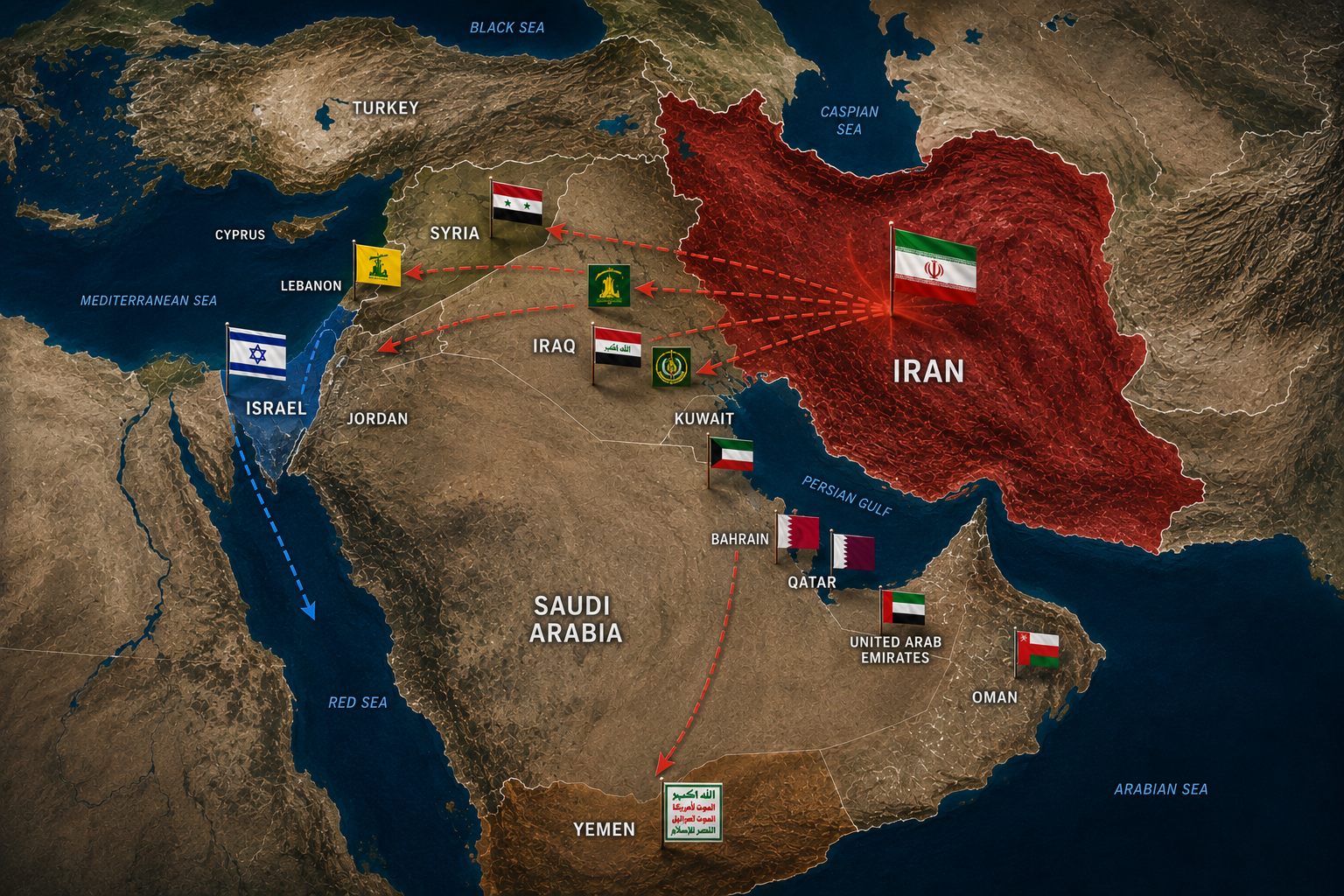
Secret scenarios
Although it is maintained that the Octopus plan is not a military doctrine or Mossad document, claims persist that Octopus is a covert Mossad operation with much broader objectives or that it connects to various events. Among the various theories, the most widespread posits that the real objective is not merely deterring the nuclear program, but weakening or even overthrowing the Islamic Republic through sabotage, economic pressure, cyberattacks, and the strengthening of internal opposition movements—actions that were recorded to a large extent before the start of the 40-day war on February 28. As reported, Israel, through this plan or doctrine, wishes to dismantle the Axis of Resistance so that a new balance of power is established in which Iran cannot project power through proxies, Israel's ties with Arab states will be strengthened, and a broader regional front against Tehran will be formed.
The big war
In this context, it is highlighted that one of the objectives of the Octopus plan is to provoke a major war in order to draw in the US and reshape the region's borders. There are also more extreme narratives claiming that Octopus includes a global influence network, control of governments or international organizations, and the orchestration of major international events.
Surrounded from 3 directions
Saudi Arabia spent the last five months trying to avoid being dragged into a broader regional conflict, maintaining open channels of communication with Tehran even when Iranian drones targeted its oil industry. Now, however, it appears surrounded, facing enemies from three directions: Iran, as well as its allied forces in Iraq and Yemen. Over the past week, the kingdom was subjected to missile strikes by the Iranian-backed Houthis in Yemen, drone attacks by pro-Iranian militias in Iraq, and new threats from Tehran.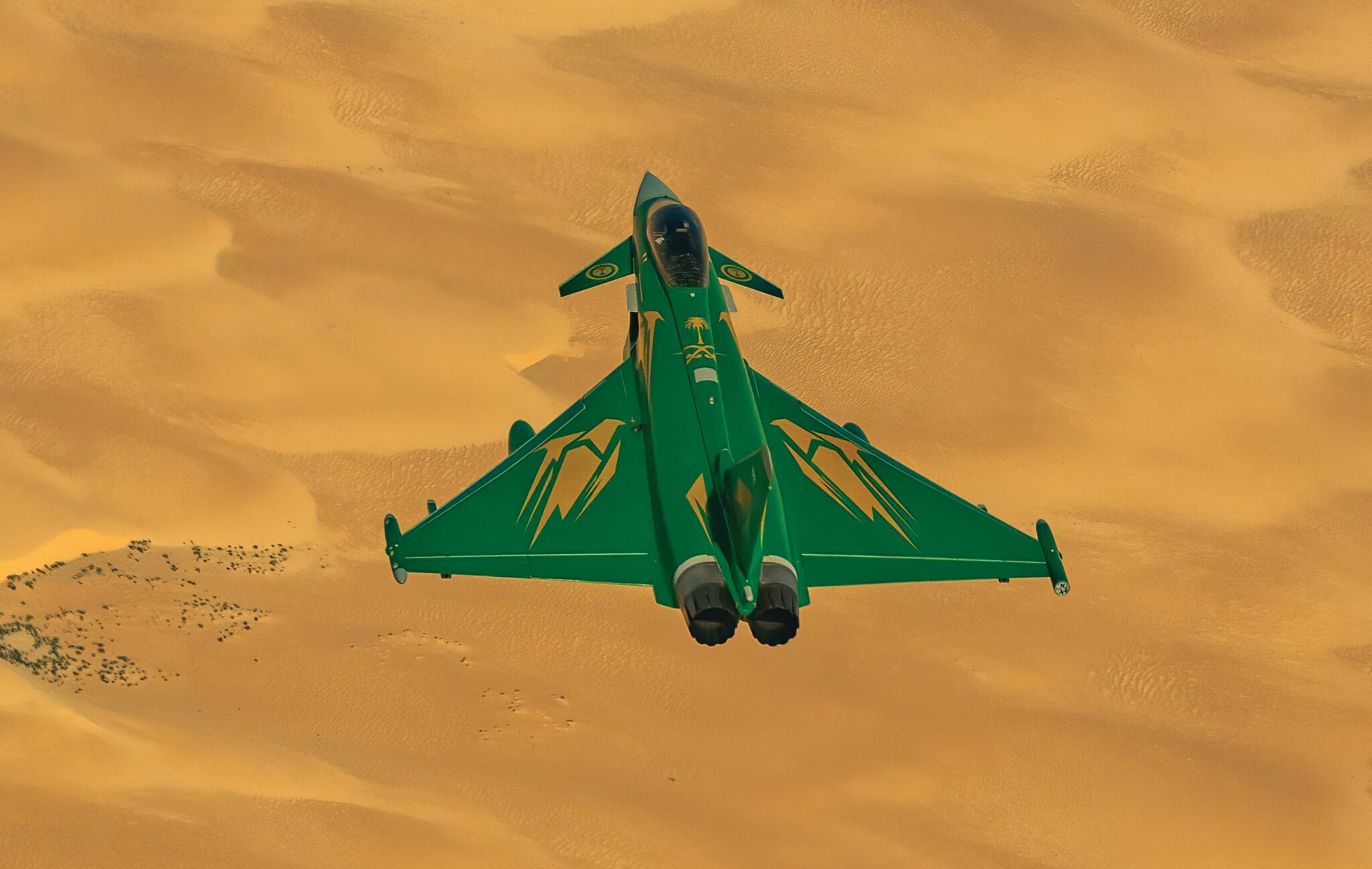
Pulling the trigger
On Tuesday, July 29, it became clear that restraint was no longer an option. Saudi Arabian fighter jets, alongside American aircraft, carried out strikes in the eastern region of Iraq. However, the stakes are exceptionally high.
Dangerous entanglement
Entanglement in a broader conflict would be a dangerous and potentially costly choice for Riyadh. Over the past decade, the country focused on opening its economy to foreign investment and transforming itself into a regional economic powerhouse. This strategy contributed to shaping the policy of de-escalation with Iran long before the war, leading to the 2023 agreement brokered by China.
Collapse of strategy
Today, however, that strategy is essentially collapsing as Saudi Arabia finds itself at the center of a storm. Confronting unpredictable adversaries accustomed to asymmetric warfare and operating from three different directions presents a nightmare for any military planner. Saudi Arabia has spent tens of billions of dollars modernizing its armed forces and procuring advanced anti-missile defense systems. Nevertheless, it must defend a vast territory (roughly one-fifth the area of the United States), extensive coastlines, and oil facilities scattered across the country.
The Houthi threat
Over the weekend, the Houthis launched missiles targeting two Saudi oil facilities on the Red Sea coast. Satellite imagery and geolocated video suggest extensive damage to one of them in the Jazan region near the border with Yemen. The missile strikes followed Houthi attacks on two Saudi oil tankers in the Red Sea after the organization announced a blockade of Saudi shipping passing through the strategic Bab al-Mandeb strait. The Houthis claimed to have carried out another attack against a Saudi vessel on Monday.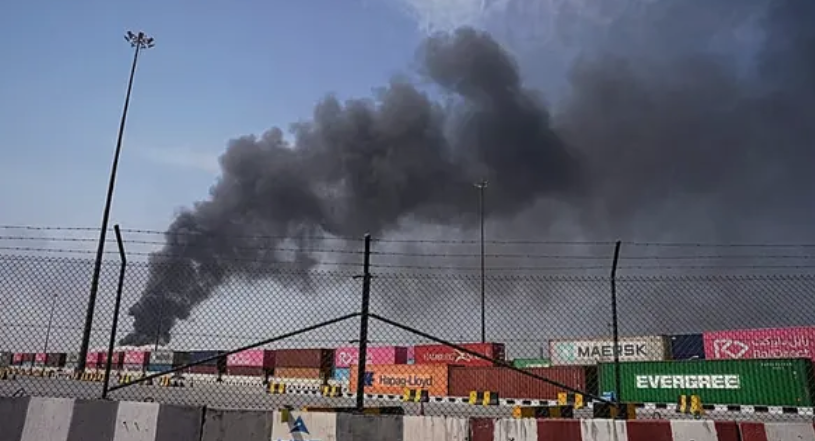
Significant escalation
For Saudi Arabia, which has rerouted a large portion of its oil exports through Red Sea ports such as Yanbu while the Strait of Hormuz remains largely non-operational, this blockade constitutes a major escalation. The country plans to further increase oil exports through the Red Sea, reaching approximately 9 million barrels per day within the next three years. However, tankers departing from Yanbu bound for Asian markets must pass through Bab al-Mandeb, leaving roughly three-quarters of Red Sea exports exposed to Houthi attacks, according to analysts.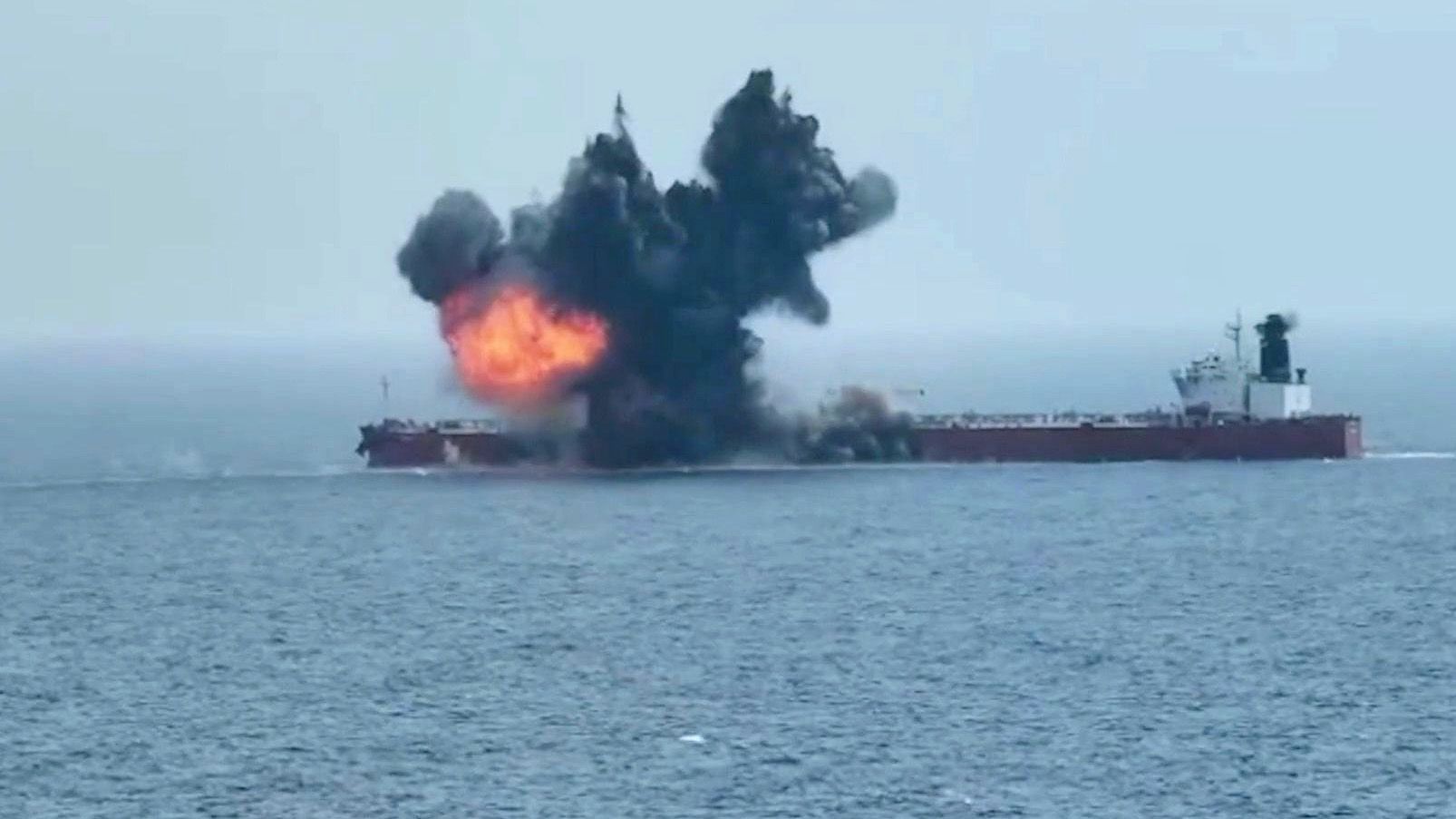
Seven years of failure
Saudi Arabia spent seven years trying, without success, to oust the Houthis from northern Yemen, launching a major military campaign in 2015. The conflict that followed triggered one of the world's worst humanitarian crises. A truce was agreed upon in 2022, but it did not lead to peace. Saudi Arabia maintained an economic and air blockade on areas controlled by the Houthis.
New cycle of violence
Earlier this month, the Houthis accused Saudi Arabia of bombing the airport in the capital Sanaa to prevent a direct flight from Tehran from landing, after the aircraft ignored warnings to divert its course. The flight was carrying a Houthi delegation returning from the funeral of former Supreme Leader of Iran Ali Khamenei. However, according to Nawaf Obeid of the Department of War Studies at King's College London, "attention also turned to what else might have been transported inside the aircraft." This incident triggered the new cycle of violence, which culminated in the weekend's missile attacks.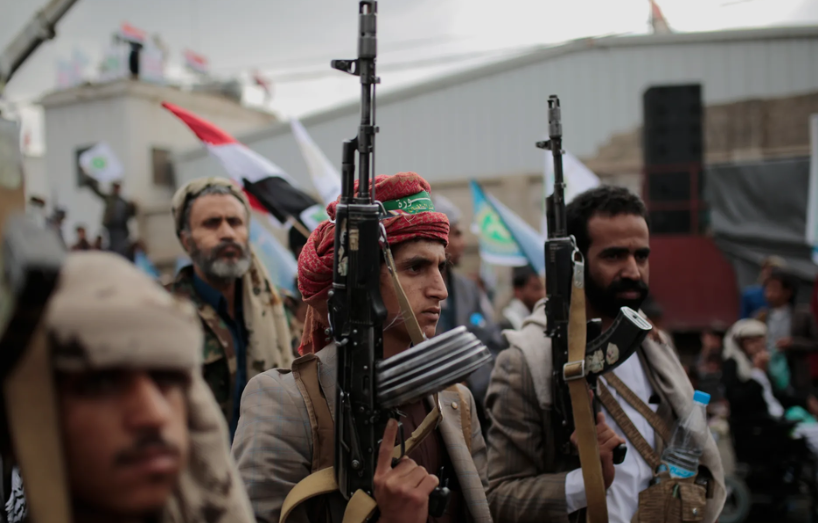
All red lines breached
"All red lines have been crossed, all of Saudi Arabia's 'buttons' have been pushed by the Houthis," states analyst Mohammed al Basha. A large force of Yemeni fighters opposed to the Houthis is gathering in the deserts of eastern Yemen, according to a regional source speaking to CNN. If they advance, they will be supported by Saudi air power, including Apache attack helicopters. For now, however, analysts estimate that the Saudi response will remain focused primarily on airstrikes. On Friday, the Saudi air force struck the port of Hodeidah, the largest port controlled by the Houthis, in retaliation for the attacks on tankers.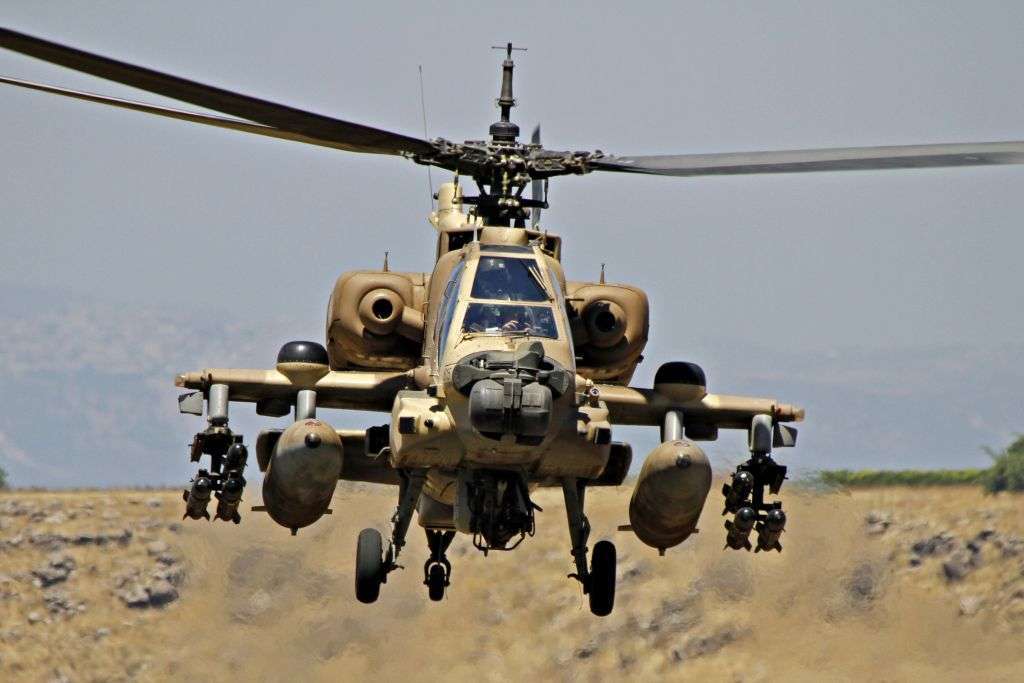
Following the North Korean model
According to Nawaf Obeid, the Saudi air force is far more effective today than it was ten years ago at tracking and neutralizing scattered military threats, having integrated systems that "dramatically reduce the time between detection and engagement." At the same time, there is the possibility that the Houthis could be bought off, as they have repeatedly requested financial assistance to fund their large number of civil servants and militia members. "The Houthis appear to be following the North Korea model, using repeated cycles of provocation to extract political and economic concessions, turning their areas south of Saudi Arabia and the Red Sea into their own stage," assesses Mohammed al Basha. It remains unclear whether they would abandon support from Iran in exchange for economic benefits from Saudi Arabia.
The threat from Iraq
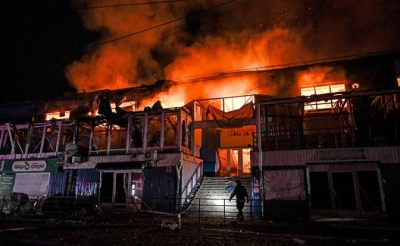
Pro-Iranian militias launched two waves of drone attacks against critical Saudi infrastructure and the capital Riyadh on Monday and Tuesday, according to the Saudi Ministry of Defense. The Houthis may have provided technical assistance to these militias. Riyadh's patience ran out. Early Tuesday, it announced that it had conducted "precise and targeted strikes" against militias in eastern Iraq that were "linked to attacks on the Kingdom's oil facilities." The kingdom thus drew a new red line. "The Kingdom emphasizes that it does not seek escalation, but will respond to any attack it receives," stated the Ministry of Defense. The Popular Mobilization Forces, the umbrella organization for the militias, announced that at least 20 people were killed or injured in the strikes.
CENTCOM: Strong response
US Central Command (CENTCOM) characterized the joint operation as a "strong response" to more than 30 drone attacks, which it attributed to Iran's Revolutionary Guard. Saudi authorities have not forgotten the highly accurate and destructive attack on the Abqaiq refinery in 2019, which knocked out nearly half of the country's oil production. The Houthis claimed responsibility at the time, but intelligence sources informed CNN that the attack likely originated from Iraq. On that occasion, Saudi Arabia chose not to respond militarily, though it placed the blame on Iran.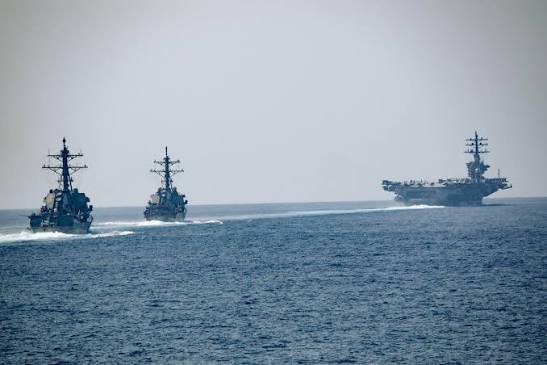
The Iranian threat
In March and April, Saudi authorities accelerated investments in counter-drone technologies as Iranian Shahed drones targeted oil facilities on the country's eastern coast. Saudi Arabia continues to face the dual threat of Iranian drones and short-range missiles that can be launched from across the Persian Gulf. Although Iran has not directly targeted Saudi Arabia since April, the Iranian Ministry of Foreign Affairs claimed again this week that "certain Persian Gulf countries independently participated in military attacks against Iran. The United States bears responsibility, but the role of certain regional countries cannot be ignored." Saudi Arabia carried out select airstrikes against Iran early in the conflict, but according to a diplomatic source, these were carefully calculated.
The difficult dilemma
The objective was to demonstrate that the kingdom can defend itself "even if the US is not present," the diplomat told CNN in May. If Saudi Arabia comes under attack from Iranian missiles and drones again, it will face a difficult dilemma: either respond directly, becoming drawn deeper into the war, or show restraint, emboldening a regime in Tehran that many view as more hardline than before the war.
Enormous economic cost
The country is already incurring a significant economic cost from the conflict. During the first quarter of the year, it recorded its largest quarterly fiscal deficit since 2018, as it increased public spending to mitigate the impacts of the war and a sluggish economy. The deficit was partially offset by increased revenue from higher oil prices. However, any further disruption to oil production and exports could upend this balance. Many of the kingdom's ambitious development projects have already been scaled back.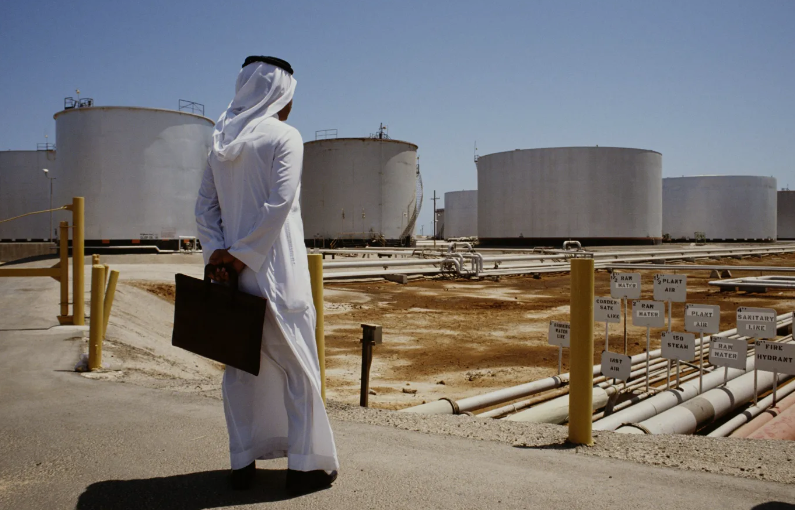
A difficult neighborhood
Ultimately, Saudi Arabia finds itself in a region that appears far more dangerous and volatile than it did on February 28, the day the war began. Saudi officials appear caught off guard by the abrupt policy shifts of US President Donald Trump toward Iran and Gaza. Although military cooperation between Saudi Arabia and the United States remains close, broader concern exists in Riyadh that it may be left alone against a more aggressive and determined Iran if American engagement wanes.
Critical crossroads
The kingdom and its allies stand at a critical crossroads. The situation is complicated by the fact that Saudi Arabia and the United Arab Emirates are only now beginning to repair relations that were strained by the UAE's sudden exit from OPEC, disagreements over the conflict with Iran, and differing views on who should be supported against the Houthis in Yemen. Saudi Arabia now appears to have concluded that there is a limit to the attacks and pressure it can tolerate before resorting to military retaliation.
Appeal from Iraq to the Revolutionary Guard: Do not drag us into war
Influential Iraqi Shiite cleric Muqtada al-Sadr called on Iran's Revolutionary Guard and armed militias to refrain from launching attacks using Iraqi territory, warning them not to drag the country into yet another war. In a post on X, Muqtada al-Sadr stated on Wednesday that Iraq has not been used as a launchpad for attacks against Iran, and therefore the Revolutionary Guard should stay away from Iraqi territory. He added that "uncontrolled militias must not give our brothers in the Gulf states a pretext to target our sacred land." He urged all parties not to be "dragged into the plans of the Zionist-American enemy, which seeks to incite brothers to fight and kill one another." Muqtada al-Sadr condemned violations of Iraqi sovereignty and what he characterized as efforts by militias to "drag Iraq into a futile war," calling on the government to guarantee security and enforce state authority. At the same time, he warned of "sleeper terrorist cells, both inside and outside the country," that could exploit religious and sectarian differences to destabilize Iraq. "Iraq and its people need peace," stated Muqtada al-Sadr, adding that the country "has suffered enough from a war that, unfortunately, has exhausted all resources and damaged its dignity." Finally, he appealed to neighboring countries to work toward peace and reconciliation, calling for a region "free of foreign military bases, normalization of relations, and abhorrent colonial hegemony."
www.bankingnews.gr








Σχόλια αναγνωστών